GIX’s Comment Letter to the SEC on Rescinding Rules 611 and 610(e)
On August 17, 2026, GIX submitted a comment letter responding to the SEC’s proposal to amend Reg NMS to rescind Rules 611 (Order Protection Rule) and 610(e) (prohibition on locked/crossed markets).
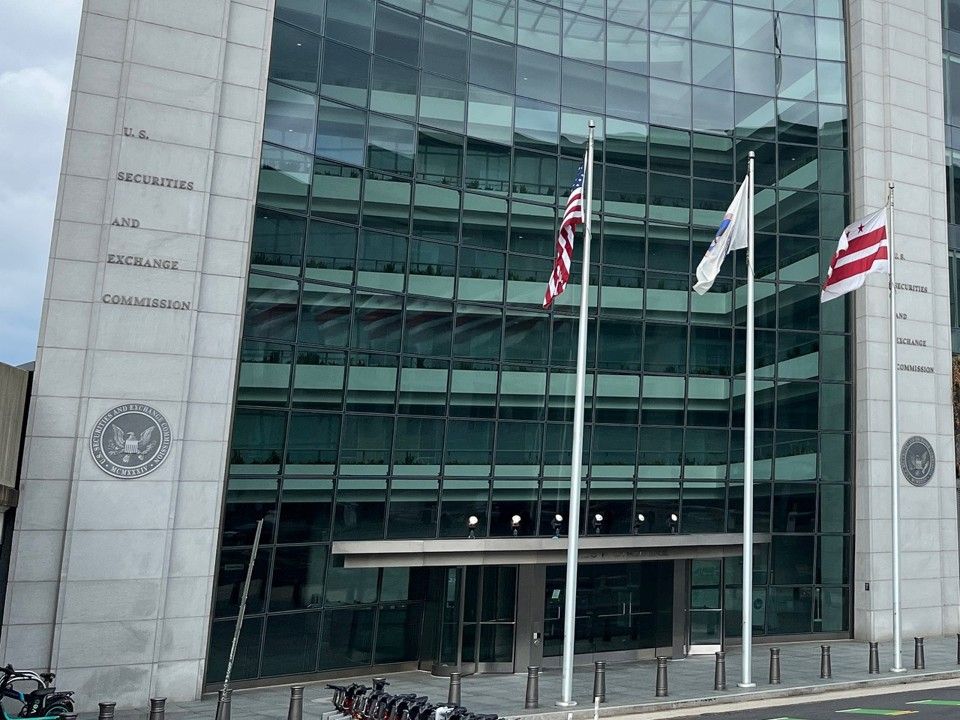

This week, exchanges and other market participants submitted comment letters responding to the SEC’s proposal to amend Reg NMS to rescind Rules 611 (Order Protection Rule) and 610(e) (prohibition on locked/crossed markets). While the proposal aims to simplify market structure and reduce costs, rescinding Rule 611 and 610(e) will do the opposite: inhibit competition, harm retail investors, and dampen innovation.
The SEC cites the proliferation of exchange licenses as the root problem, saying it adds unnecessary cost and complexity. But this conflates two separate factors: large exchange families operating copycat venues on a shared infrastructure, and the launch of new exchanges promoting legitimately innovative market structure alternatives.
Yes, exchanges should be judged on whether they offer a differentiated value proposition. The real question is if requiring participants to connect to multiple undifferentiated venues operated by a single corporate parent places an undue burden on them, limiting competition and growth. Eliminating undifferentiated copycats owned by the same exchange family instantly reduces the number of exchanges from 20 to 10.
Why Rule 611 matters:
- Innovation needs a runway: Protected-quote status gives new, innovation-focused, independent exchange operators the foothold needed to build liquidity for original ideas. Incumbent exchanges already have deep member relationships and built-in order flow; they don't need protected quotes to compel connectivity.
- Investor protection: Eliminating the obligation to route to best-priced quotes risks inferior execution quality, less oversight, and weaker safeguards for investors. If traders can ignore the best bid or offer, the NBBO loses its relevance as a pricing benchmark. After-the-fact enforcement of anopaque best execution requirement is not a viable substitute.
- Disruption over scale: Removing Rule 611 prioritizes incumbency over market disruption, allowing entrenched players to absorb or copy innovations before new venues can establish their unique value proposition in the market.
Rescinding Rule 611 puts a disproportionate burden on the independent exchanges least responsible for market fragmentation. The SEC can address market complexity at the ownership level without dismantling the mechanism that fosters growth, by fixing the true source of ownership proliferation without harming market competition or innovation.
- Acknowledge the true costs: Update the economic analysis to reflect the actual costs of rescission, not a selective assessment that skews results against competition.
- Address the copycats: Target same-owner duplicate licenses on shared infrastructure, vs. punishing independent newcomers.
- Reject arbitrary volume caps: Eliminate market-share thresholds that lock out new venues before they can scale.
- Include legacy protections: Exempt existing approved exchanges to safeguard prior investments.
Read the letter to the SEC to see the data, the economic realities, and our proposed path forward: GIX's Comment Letter to the SEC